
"non-washed coffee"
500 article(s) found

Characteristics of coffee beans in Tanzania
When Pangu opened, in 1898, bourbon coffee was introduced by Catholic priests to the Kilimanjaro region of Tanzania. Then Kent was introduced to Tanzania in 1920, with the excellent pedigree of the Middle Eastern non-washed bean family, bright acidity, rich and irritating flavor. Kenyan coffee is undoubtedly the leader in this family, but Tansan

Coffee beans-bad varieties coffee beans-picking
After harvest, peel, pulp, racing peel and silver peel should be removed before shipping and listing. There are two kinds of methods: drying (also known as natural or non-washing) and washing. Dry type: coffee beans selected coffee bean atlas shape judgment delicious coffee, from its fried coffee bean shape can be known, as shown in the following picture. Of course, there can be no bad coffee beans mixed in, but also note.

Specific introduction to the production of coffee beans
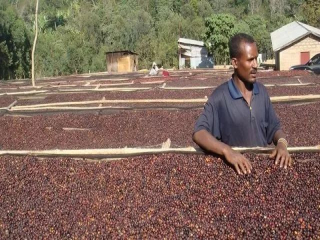
After harvest, peel, pulp, racing peel and silver peel should be removed before shipping and listing. There are two kinds of methods: drying (also known as natural or non-washing) and washing. Dry type: the method is relatively simple. First of all, spread the freshly harvested fruit on the sun field for a week or two until the fruit crackles and dries naturally. After that, the sheller will dry the fruit.

Coffee bean classification coffee classification coffee sample coffee type
Growing coffee beans may have special place names, or treatment (washed or non-washed), may have a title, or may only have a letter or number after it. In some countries where the coffee industry is nationalised, the grading system seems uninteresting. In Kenya, for example, a bag of coffee might be: water-washed AA, followed by a number to indicate the quality level of the cup. However, this is the kind of listening.

Jamaica Blue Mountain Coffee Beans-Blue Mountain Coffee Beans-Jamaica Blue Mountain Coffee Beans-Jamaica Blue Mountain Coffee
Sir Nicolas Lawes, Governor-General of Jamaica, brought the first coffee seedlings to Jamaica from Martinique. By 1790, among the refugees from Haiti were coffee farmers who settled in the Blue Mountains and also brought

Coffee beans-what are bad beans?
After harvest, peel, pulp, racing peel and silver peel should be removed before shipping and listing. There are two kinds of methods: drying (also known as natural or non-washing) and washing. Dry type: coffee beans selected coffee bean atlas shape judgment delicious coffee, from its fried coffee bean shape can be known, as shown in the following picture. Of course, there can be no bad coffee beans mixed in, but also note.
Ethiopian coffee bean grade introduction, why Ethiopian coffee beans are of different sizes?
Why do people usually buy Ethiopian coffee beans of different sizes? Even if it is the highest G1 coffee bean. Today I would like to explain to you why Ethiopian coffee beans are of different sizes. This involves Ethiopian coffee beans, and his grading has nothing to do with the size of coffee beans.

How much is Blue Mountain Coffee?
Edible Method: Chewing to extract its juice Origin: ArabicSpecies: Cuban Coffee, Brazilian Coffee Representative: Cat poop coffee Catalog 1 Overview 2 Specifications 3 Colors 4 Options 5 Tips for production 6 Benefits 8 Origin 9 Four famous beans 10 Categories 11 Species 12 Method of production 13 Country of origin and name Brazilian Blue Mountain Colombia Mantenin Kona Raw

Introduction to the Flavor treatment of Tanzania Coffee beans
Tanzanian coffee has the excellent pedigree of the Middle Eastern non-washed bean family, bright acidity, rich and irritating flavor. There is no doubt that Kenyan coffee takes the lead in this family, but Tanzania has many advantages that are very similar to those of Kenya. Round beans are often specially selected and expensive, but sometimes they taste hairy.

The most suitable conditions for the cultivation of Coffee trees Coffee Bean Baking
Washing type: in the sink, after rubbing with water and utensils, the pulp and colloid are removed and dried, which is called washing coffee bean with uniform quality. Non-washing type: after the sun is naturally dried, the pulp and peel is removed by a sheller, and its quality is unstable. b. The fruit of flat bean / round bean coffee is made up of two oval seeds opposite each other. The connecting side is a flat joint, called
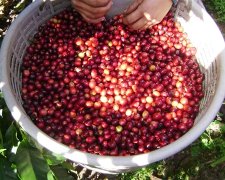
History of planting and treatment of Wamuguma in Thika Wamgumar treatment Plant, Sika District, Kenya
For the exchange of professional baristas, please follow the coffee workshop (Wechat official account cafe_style) the history of planting and processing of Kenyan coffee. The history of Kenyan coffee can be traced back to the end of the 19th world. Coffee tree species were introduced from neighboring Ethiopia in the north. After improvement of their own varieties, there are four common varieties: Bourbon and Kents.

Quality and introduction of coffee in Tanzania
Southern coffee is rich in floral aromas, smooth on the palate with elegant acidity. 2) SweetMarias's introduction to TZ (with emphasis on flavor / quality) Tanzanian coffee has the excellent pedigree of the Middle Eastern non-washed bean family, bright acidity, rich and irritating flavor. There is no doubt that Kenyan coffee takes the lead in this family, but the quality of Tanzania is improving.

Basic knowledge of Coffee processing Secrets of Coffee beans
After the fruit is harvested, the outer skin, pulp, endocarp and silver skin should be removed before shipping. There are two kinds of methods: drying (also known as natural or non-washing) and washing. The drying method is relatively simple. First of all, spread the freshly harvested fruit on the exposure field for a week or two until the fruit crackles and dries naturally. After that, the sheller will dry the fruit.

Coffee knowledge production method of high-quality coffee
After harvest, peel, pulp, racing peel and silver peel should be removed before shipping and listing. There are two kinds of methods: drying (also known as natural or non-washing) and washing. The drying method is relatively simple. First of all, spread the freshly harvested fruit on the sun field for a week or two until the fruit crackles and dries naturally. After that, the dried pulp is removed by a sheller.

Coffee beans must be stored in a dry environment to explain coffee bean preservation skills (2)
Two methods of coffee bean production after harvest to the market before shipment to remove the skin, pulp, skin and silver. There are two methods: drying (also known as natural method or non-washing) and washing. Dry type: The method is relatively simple. First of all, the fruit will be just picked widely spread in the sun for a week or two, until the fruit issued a cracking sound so far, natural drying. After that, with

Coffee beans production process how to make milk foam
After harvest, the skin and flesh must be removed. Coffee beans are made by removing the endocarp and silver peel. There are two methods: drying (natural drying, non-washing) and washing. Drying type, the operation is relatively simple, the harvested fruit spread on the dry site, in the sun for a week or two, turning when you can hear the sound of cluck cluck said dried. and then using a huller to peel the flesh of the dried fruit

Characteristics of Tanzanian coffee beans with northern genes in southern coffee
Tanzanian coffee has an excellent pedigree from the Middle Eastern non-washed bean family, bright acidity, rich and pungent flavor. Kenyan coffee is undoubtedly the leader in this family, but Tanzania's quality has improved all the way and has many advantages very similar to Kenya. Round beans are often deliberately selected and expensive, but sometimes they can taste hairy.

Introduction to the origin of coffee beans honey AATop Kenya coffee suitable for hand-brewing
Professional coffee knowledge exchange more coffee bean information please follow the coffee workshop (Wechat official account cafe_style) Kenya Neri production area AA honey Top 1800M new season washing treatment 2017 this is a perfect AA special mixed batch. Planted by different small farmers on the slopes of the magnificent Aberdare Mountains in Kenya, produced by Nyeri and Ki

Introduction to the bright sour, rich and irritating flavor of Tanzanian coffee
Tanzanian coffee has the excellent pedigree of the Middle Eastern non-washed bean family, bright acidity, rich and irritating flavor. There is no doubt that Kenyan coffee takes the lead in this family, but Tanzania has many advantages that are very similar to those of Kenya. Round beans are often specially selected and expensive, but sometimes they taste hairy.